Digital governance & policy · Fintech & payments · Nigeria · Policy or law
Nigeria’s central bank sets licensing rules for stablecoin issuers, with capital of ₦10bn for naira coins and ₦15bn for foreign-currency coins
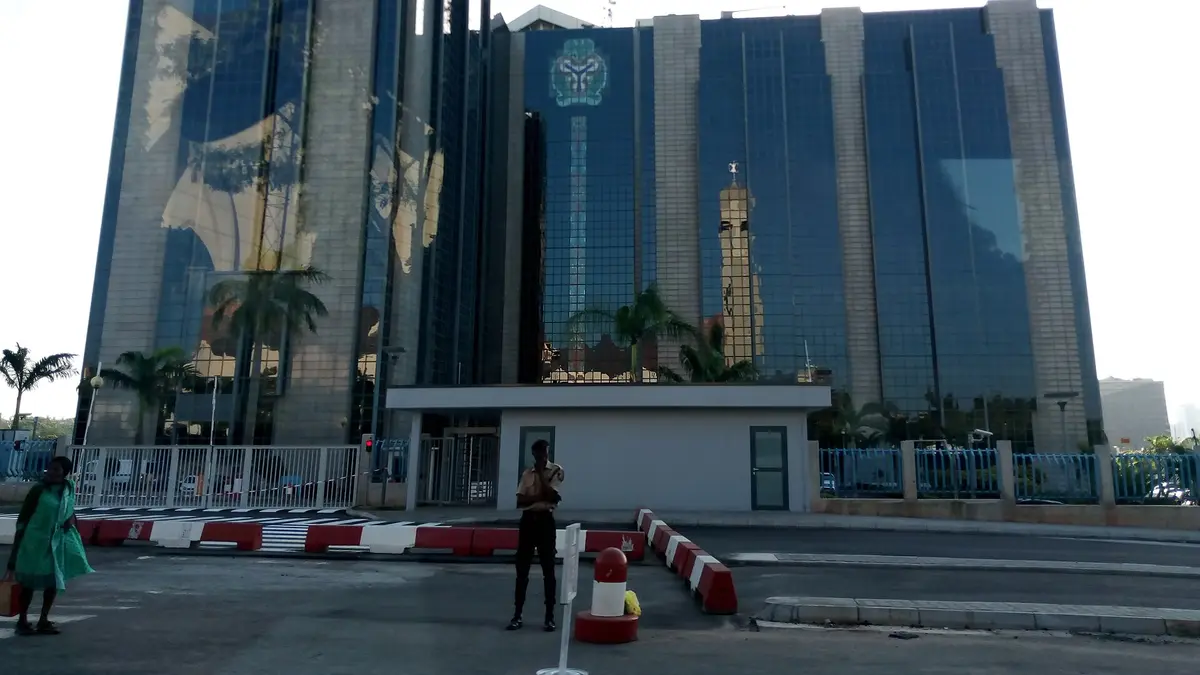
The Central Bank of Nigeria (CBN) has issued Regulations for the Operations of Non-Security Virtual Assets in Nigeria, covering stablecoin issuers, deposit money tokens issued by banks and virtual asset service providers. Issuers of naira-referenced stablecoins (Class 1) need minimum paid-up capital of ₦10 billion and issuers of stablecoins referenced to foreign currencies (Class 2) ₦15 billion, and the CBN may set higher amounts; Class 2 issuers must also hold a minimum buffer of operational liquidity. The circular announcing the rules is dated 5 November 2026 and signed by Musa Jimoh, the CBN’s director of payments system policy, Vanguard reported; it says offshore issuers get no exemption from incorporation, licensing or capital requirements. Providers must apply enhanced due diligence and limits to customers who trade peer-to-peer as a business and report them to the CBN. Africa Fintech Network reports that the rules took effect on 5 November and that Class 2 stablecoins may be used for cross-border payments and remittances.
Why it matters
Stablecoins are already used for payments and remittances in Nigeria; the rules bring their issuers under central bank licensing and capital requirements instead of leaving them offshore, and other African regulators facing the same question now have a worked example.
Sources
- Regulations for the Operations of Non-Security Virtual Assets in Nigeria, Central Bank of Nigeria, Nov 2026
- CBN sets N10bn, N15bn capital requirements for stablecoin issuers, Vanguard, Nov 2026
- CBN sets capital requirement for firms issuing foreign currency stablecoins at N15bn, Africa Fintech Network, 8 Nov 2026
See also: Nigeria: digital government profile
Related
- Chile delays its new personal data protection law to 15 October 2027 and enlarges the board of the future data protection agency
23 Nov 2026 · Digital governance & policy · Chile · Government - Nigeria’s $500 million World Bank farm loan pays states only if they set up rules for a common digital farmer registry and other reforms
23 Nov 2026 · Sector digitalisation · Nigeria · Agriculture - World’s privacy regulators adopt 11 principles for AI tools in schools, including a model charter and limits on using pupils’ data
20–23 Nov 2026 · Digital governance & policy · Education - APEC leaders adopt a 2027–2030 trade digitalisation framework and back paperless trade at their Shenzhen summit
18–19 Nov 2026 · Digital governance & policy · Trade & business - Bangladesh’s Tk 21,238 crore, 20-year spectrum renewal for mobile operators stalls; the regulator extends licences by a month
12–13 Nov 2026 · Digital governance & policy · Bangladesh · Telecom
More on Digital governance & policy · Fintech & payments · Nigeria